Travelling solo in Zimbabwe offers the freedom to discover the country's dramatic landscapes, remarkable wildlife, historic sites, and vibrant culture at your own pace. From the spectacular Victoria Falls and Hwange National Park to the peaceful Eastern Highlands, having your own vehicle makes it easy to explore beyond the usual tourist routes.
Travelling independently does require some preparation, especially when driving long distances or through remote areas. With Final Rentals, arranging car rental in Zimbabwe is simple, allowing you to start your journey with confidence and focus on the experience ahead. A little planning goes a long way, and knowing what to expect before you set off can help make your solo road trip safer and more enjoyable.

Zimbabwe is generally a safe destination for solo travellers who plan and take sensible precautions. Popular attractions are well visited by international tourists, and many people explore the country independently by car. As with any destination, staying aware of your surroundings and avoiding unnecessary risks, particularly in unfamiliar or remote areas, is essential.
Travelling by rental car gives you greater control over your itinerary, allowing you to travel during daylight hours, choose accommodation that suits your route, and avoid relying on limited public transport. Before setting off, check the latest travel advice, understand local driving regulations, and share your itinerary with someone you trust. With careful planning, solo travel in Zimbabwe can be both safe and rewarding.
Zimbabwe's top attractions are spread across the country, making a rental car one of the most practical ways to explore. While public transport connects major towns, it often doesn't reach national parks, scenic viewpoints, or many lesser-known destinations.
With your own vehicle, you can travel at a pace that suits you, take scenic detours, and spend as much time as you like at each stop without following fixed schedules. It also gives you plenty of space for luggage, outdoor gear, and other travel essentials, making car rental in Zimbabwe a comfortable and convenient choice for solo road trips.
The vehicle you choose can have a major impact on your driving experience. If your itinerary focuses on major cities and well-maintained highways, a standard passenger car may be sufficient. Travellers planning to visit remote areas or national parks should consider whether a higher-clearance vehicle or four-wheel-drive model is more appropriate.
Before booking, check the vehicle's condition, insurance arrangements, mileage policy, roadside assistance, and fuel requirements. It is also worth confirming whether the vehicle can be driven on the roads and routes included in your itinerary.
Do not choose a vehicle solely because it has the lowest daily price. A dependable car with appropriate features can provide considerably more peace of mind when travelling alone, particularly when covering long distances between destinations.
Having the right documents before collecting your vehicle helps make the rental process quicker and reduces the chance of delays. Check the requirements before you travel and keep all essential paperwork organised throughout your trip.
Valid driving licence: Carry your original, valid driving licence whenever you drive. Depending on your country of issue, you may also need an International Driving Permit, so check the latest requirements before travelling.
Passport and rental documents: Bring your passport along with your rental agreement, as your provider may request both during collection or roadside checks. Keep your rental company's contact details easily accessible in case you need assistance.
Secure document storage: Store your original documents safely while travelling and keep digital copies separately as a backup. This can be helpful if your originals are lost or misplaced during your journey.
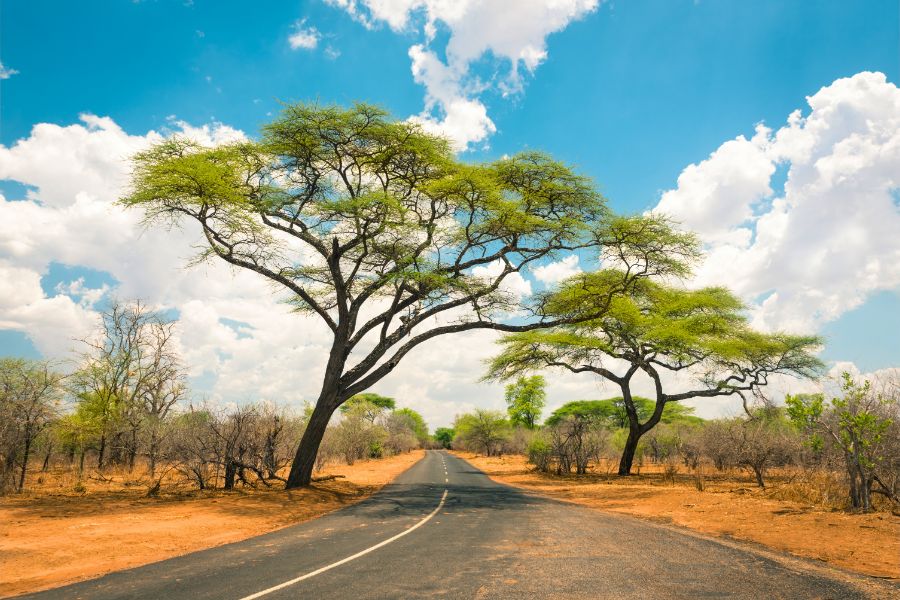
Road conditions can vary significantly across Zimbabwe. Major routes connecting cities and popular tourist destinations are generally easier to navigate, while rural roads may contain potholes, uneven surfaces, gravel sections, or limited roadside services.
Weather can also affect driving conditions. Heavy rainfall may create muddy or flooded sections, while dry periods can produce dust and reduced visibility on unsealed roads. Before beginning a long journey, check the latest road and weather conditions and allow additional time for unexpected delays.
Driving defensively is particularly important when travelling alone. Keep your speed appropriate for the road surface, maintain a safe distance from other vehicles, and remain alert for pedestrians, cyclists, livestock, and wildlife.
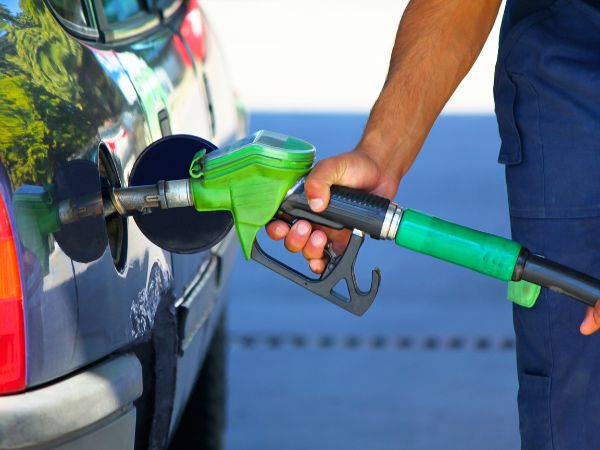
Fuel planning is one of the most important considerations for a solo Zimbabwe road trip. Petrol stations are more readily available in larger towns, but services can become less frequent when travelling through remote areas. Before leaving a major town, check your fuel level and identify where you are likely to refuel next.
Avoid relying on a single fuel stop if you are travelling a considerable distance, particularly when visiting remote attractions. It is also sensible to carry sufficient drinking water and basic refreshments. Having these supplies in your vehicle provides an extra level of comfort if you experience delays or encounter a section of road where services are limited.

Solo travellers should generally avoid unnecessary night driving, particularly on unfamiliar rural roads. Limited lighting, pedestrians, cyclists, animals, and unexpected road hazards can make driving after dark more challenging. Plan your daily routes so that you arrive at your accommodation before nightfall whenever possible.
Starting early in the morning can also help you make better use of daylight and avoid rushing to reach your destination. If an unexpected delay means you will arrive later than planned, contact your accommodation and follow their advice regarding the safest route and arrival arrangements. Good time management can significantly reduce the need for stressful late-night driving.
Zimbabwe is renowned for its extraordinary wildlife, and encountering animals is one of the highlights of travelling through the country. However, wildlife also presents specific driving risks, particularly around national parks and conservation areas.
Animals may cross roads without warning, especially around dawn and dusk. Reduce your speed when driving through wildlife areas and follow all signs and park regulations.
Never approach wild animals unnecessarily or leave your vehicle in prohibited areas. When visiting national parks, follow instructions from park authorities and guides. Wildlife should always be observed from a safe distance and treated with respect.
Driving through Zimbabwe's national parks can be an incredible experience, but solo travellers should prepare carefully before entering remote areas. Mobile phone coverage may be limited, and some roads can become difficult to navigate depending on weather conditions.
Check whether your chosen vehicle is suitable for the route and confirm opening hours, entry requirements, fuel availability, and road conditions before entering a park. Carry enough water, food, fuel, and other essentials for the planned journey.
Let your accommodation or another trusted person know your intended route and approximate return time. If your plans change, update them where possible. These simple measures can provide an important safety net when travelling alone.
Zimbabwe offers a wide range of destinations that can be combined into a memorable solo itinerary. Victoria Falls is an obvious starting point for many travellers, offering spectacular scenery and a wide range of activities.
Hwange National Park is another popular destination, particularly for travellers interested in wildlife and safari experiences. The park's vast landscapes provide opportunities to see elephants, lions, buffalo, and many other species.
For a completely different experience, the Eastern Highlands offer mountains, forests, waterfalls, and scenic viewpoints. Great Zimbabwe provides an opportunity to explore one of the country's most important archaeological sites and learn more about its history.
The best itinerary depends on your available time, driving experience, and interests. Avoid trying to cover too much ground in a short trip, as long driving days can become tiring when you are travelling alone.
Reliable communication is essential when travelling alone, especially in remote areas. Preparing your phone and navigation tools in advance can help keep your journey safe and stress-free.
Keep your phone charged: Fully charge your phone before each trip and carry a power bank for longer drives. This ensures you can contact your rental provider or emergency services if needed.
Use offline navigation: Download offline maps before leaving areas with reliable internet access. They provide dependable navigation when mobile coverage is limited.
Save essential contacts: Store your rental provider's number, accommodation details, and emergency contacts on your phone. Keep them accessible offline in case you lose signal.
Packing strategically can make your journey more comfortable and reduce the need to search for supplies while travelling between destinations. Essential items include comfortable clothing, suitable walking shoes, sunscreen, insect repellent, reusable water bottles, a phone charger, a power bank, basic toiletries, and any personal medication you require.
A small first-aid kit is also useful for minor issues. If you are travelling into remote areas, consider carrying additional food and water rather than assuming supplies will always be available. Keep valuables secure and avoid leaving important belongings visible inside your vehicle when it is parked.
Travelling solo doesn't have to be expensive, but planning can help you make the most of your budget. Comparing costs and organising your route in advance can reduce unnecessary expenses throughout your trip.
Compare the total rental cost: Look beyond the daily rate and check what is included. Review insurance, mileage, roadside assistance, and any extra fees before booking.
Take advantage of seasonal savings: Travel during quieter periods to access seasonal car rental deals and a wider choice of accommodation. Booking your vehicle early also gives you more time to compare prices and secure the best option.
Plan an efficient route: Group nearby attractions together to reduce driving distances and fuel costs. A well-planned itinerary saves both time and money.
Long-distance driving can be tiring, particularly when you are responsible for navigating and managing the journey alone. Avoid planning unrealistic driving days and schedule regular breaks.
Use rest stops and safe viewpoints to stretch your legs, have a drink, and check your route. If you feel tired, stop driving and rest rather than attempting to complete the journey on schedule.
It can also be helpful to alternate between driving-heavy days and slower sightseeing days. This approach gives you time to enjoy your destinations rather than spending most of your holiday behind the wheel.

Planning is the best way to enjoy a smooth and rewarding journey across Zimbabwe. Before you travel, compare vehicles based on their suitability for your route, fuel efficiency, insurance, mileage allowances, and overall value rather than price alone. Booking early can also improve availability and help you secure seasonal car rental deals, especially during busy travel periods. With Final Rentals, you can download the mobile app from Google Play or the App Store to browse vehicles, manage your booking, and keep your reservation details easily accessible throughout your trip. When you're ready to book a car in Zimbabwe, choose a vehicle that suits your itinerary, then explore Zimbabwe with a rental car and discover everything from Victoria Falls and Hwange National Park to the country's scenic countryside with confidence.
Yes, many solo travellers explore Zimbabwe by rental car without issues when they plan their routes and follow local safety advice. Driving during daylight hours, staying alert, and keeping someone informed of your itinerary can help make your journey safer.
Many popular parks, including Hwange National Park and areas around Victoria Falls, can be reached by rental car. Before travelling, check road conditions, park regulations, and whether your chosen vehicle is suitable for the route.
Plan your route, identify fuel stops, and carry water, snacks, and offline maps. Aim to reach your destination before dark and take regular breaks to stay alert behind the wheel.
A standard car is suitable for many routes between major towns and tourist destinations. However, a four-wheel-drive vehicle is a better choice if you plan to visit remote areas, national parks, or roads with rougher conditions.
Booking early gives you a wider choice of vehicles and more time to compare rental conditions and seasonal car rental deals. It also helps ensure you have the right vehicle ready for your itinerary, particularly during peak travel periods.